India2 views
What we know so far about the Supreme Court’s ruling on reservation for converted Dalits
The Supreme Court ruled that a person professing any religion other than Hinduism, Buddhism, or Sikhism cannot be recognised as a member of a Scheduled Caste The Supreme Court ruled that a person professing any religion …
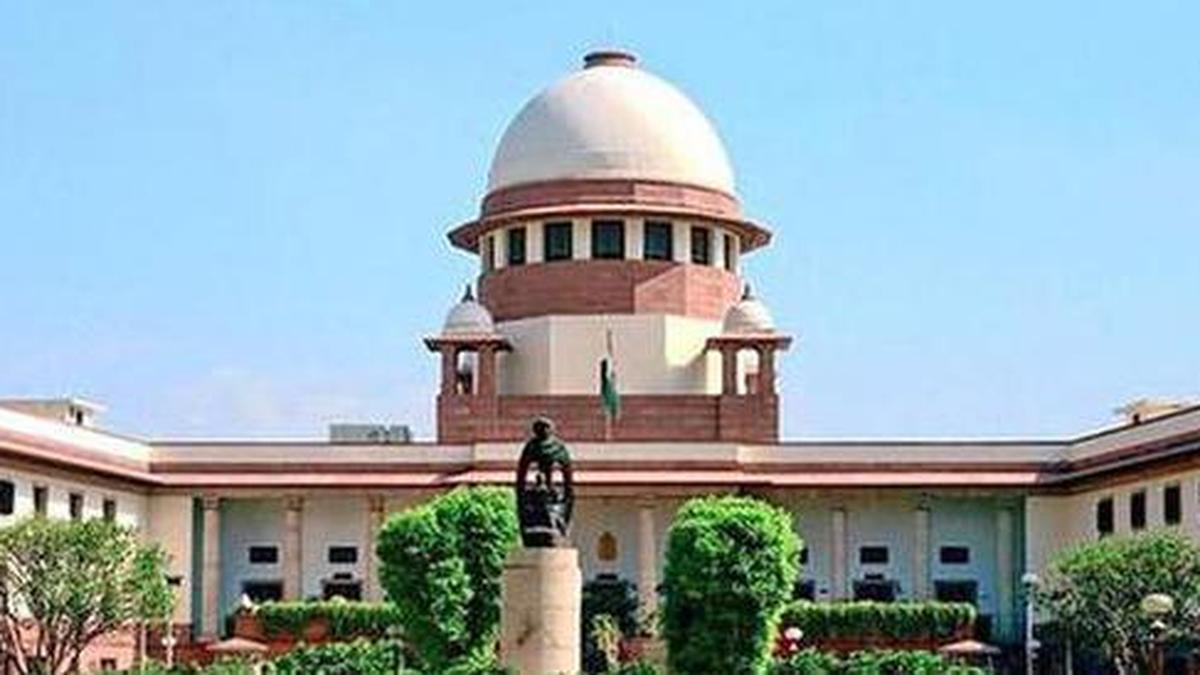
The Supreme Court ruled that a person professing any religion other than Hinduism, Buddhism, or Sikhism cannot be recognised as a member of a Scheduled Caste The Supreme Court ruled that a person professing any religion other than Hinduism, Buddhism, or Sikhism cannot be recognised as a member of a Scheduled Caste The Supreme Court ruled that a person…
Key takeaways
Quick scan — what you need to know:
- The Supreme Court ruled that a person professing any religion other than Hinduism, Buddhism, or Sikhism cannot be recognised as a member of a Scheduled Caste The Supreme Court ruled that a person…
- The Supreme Court ruled that a person professing any religion other than Hinduism, Buddhism, or Sikhism cannot be recognised as a
- member of a Scheduled Caste The Supreme Court ruled that a person professing any religion other than Hinduism, Buddhism, or
- Sikhism cannot be recognised as a member of a Scheduled Caste
Background
What led here, in plain terms:
- essing any religion other than Hinduism, Buddhism, or Sikhism cannot be recognised as a member of a Scheduled Caste
- Full context often emerges as officials, markets, or courts add updates.
Why it matters
Why readers and decision-makers should care:
- The Supreme Court ruled that a person professing any religion other than Hinduism, Buddhism, or Sikhism cannot be recognised as a member of a Scheduled Caste The Supreme Court ruled that a person…
- The Supreme Court ruled that a person professing any religion other than Hinduism, Buddhism, or Sikhism cannot be recognised as a
- member of a Scheduled Caste The Supreme Court ruled that a person professing any religion other than Hinduism, Buddhism, or