India2 views
Wildlife actively use underpasses on Delhi-Doon economic corridor: Study
As per the recently published study by Dehradun-based Wildlife Institute of India, 150 camera traps (CTs) were systematically deployed along underpasses within a 3.5-km stretch — from Mohand village to Ganeshpur in Uttar…
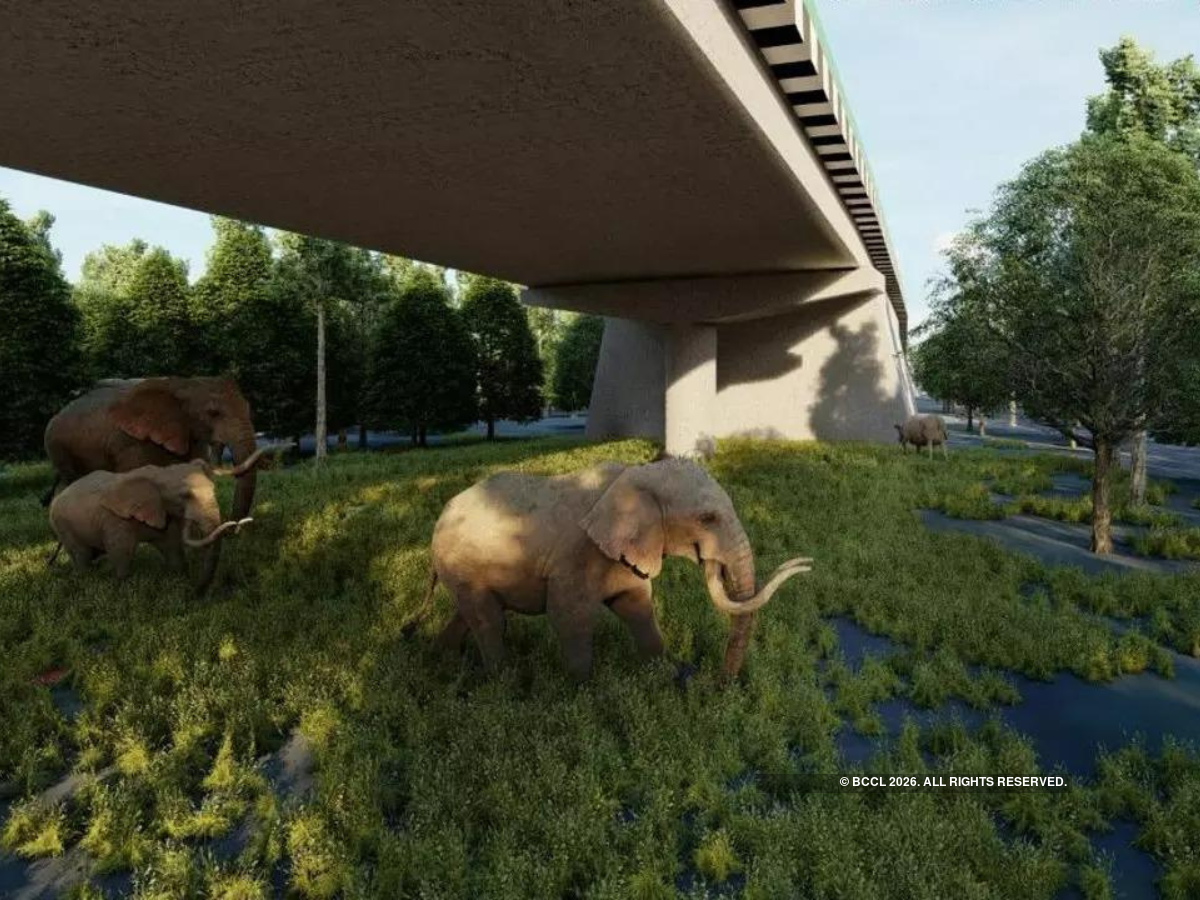
As per the recently published study by Dehradun-based Wildlife Institute of India, 150 camera traps (CTs) were systematically deployed along underpasses within a 3.5-km stretch — from Mohand village to Ganeshpur in Uttarakhand — and each unit was installed in a manner to ensure detection of a broad spectrum of terrestrial fauna, ranging from small to…
Key takeaways
Quick scan — what you need to know:
- As per the recently published study by Dehradun-based Wildlife Institute of India, 150 camera traps (CTs) were systematically deployed along underpasses within a 3.5-km stretch — from Mohand village…
- As per the recently published study by Dehradun-based Wildlife Institute of India, 150 camera traps (CTs) were systematically
- deployed along underpasses within a 3.5-km stretch — from Mohand village to Ganeshpur in Uttarakhand — and each unit was installed
- in a manner to ensure detection of a broad spectrum of terrestrial fauna, ranging from small to large-bodied species. As per the
Background
What led here, in plain terms:
- in a manner to ensure detection of a broad spectrum of terrestrial fauna, ranging from small to large-bodied species. As per the
- recently published study by Dehradun-based Wildlife Institute of India, 150 camera traps (CTs) were systematically deployed along
- underpasses within a 3.5-km stretch — from Mohand village to Ganeshpur in Uttarakhand — and each unit was installed in a manner to
- ensure detection of a broad spectrum of terrestrial fauna, ranging from small to large-bodied species.
Why it matters
Why readers and decision-makers should care:
- in a manner to ensure detection of a broad spectrum of terrestrial fauna, ranging from small to large-bodied species. As per the
- recently published study by Dehradun-based Wildlife Institute of India, 150 camera traps (CTs) were systematically deployed along
- underpasses within a 3.5-km stretch — from Mohand village to Ganeshpur in Uttarakhand — and each unit was installed in a manner to