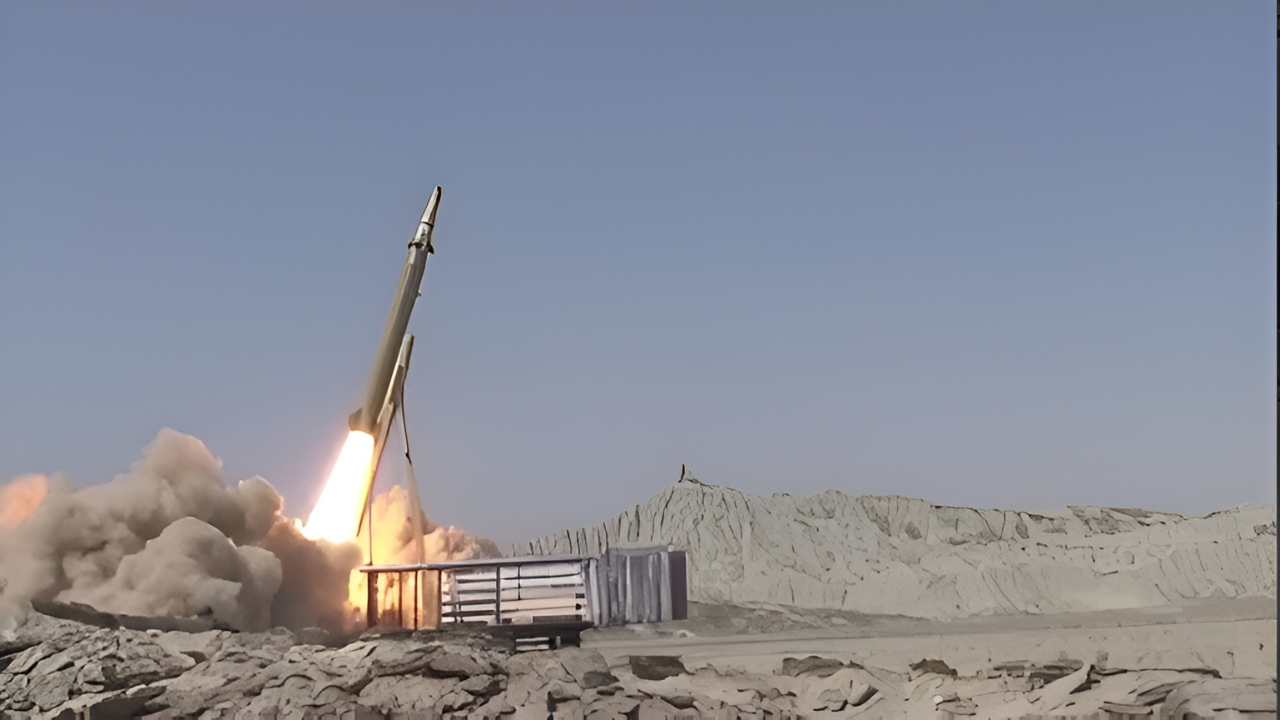
Iran's most advanced missiles, including the Qassem Basir and Fattah-2, remain unused despite ongoing conflict. Experts suggest these sophisticated weapons might be held in reserve, destroyed, or not yet fully operational.
Key takeaways
Quick scan — what you need to know:
- Iran's most advanced missiles, including the Qassem Basir and Fattah-2, remain unused despite ongoing conflict.
- Experts suggest these sophisticated weapons might be held in reserve, destroyed, or not yet fully operational.
- While older missiles have been deployed, recent attacks show a decline in numbers and high interception rates by US and Israeli forces.
Background
What led here, in plain terms:
- Experts suggest these sophisticated weapons might be held in reserve, destroyed, or not yet fully operational.
- While older missiles have been deployed, recent attacks show a decline in numbers and high interception rates by US and Israeli forces.
Why it matters
Why readers and decision-makers should care:
- While older missiles have been deployed, recent attacks show a decline in numbers and high interception rates by US and Israeli forces.
- Iran's most advanced missiles, including the Qassem Basir and Fattah-2, remain unused despite ongoing conflict.
- Experts suggest these sophisticated weapons might be held in reserve, destroyed, or not yet fully operational.