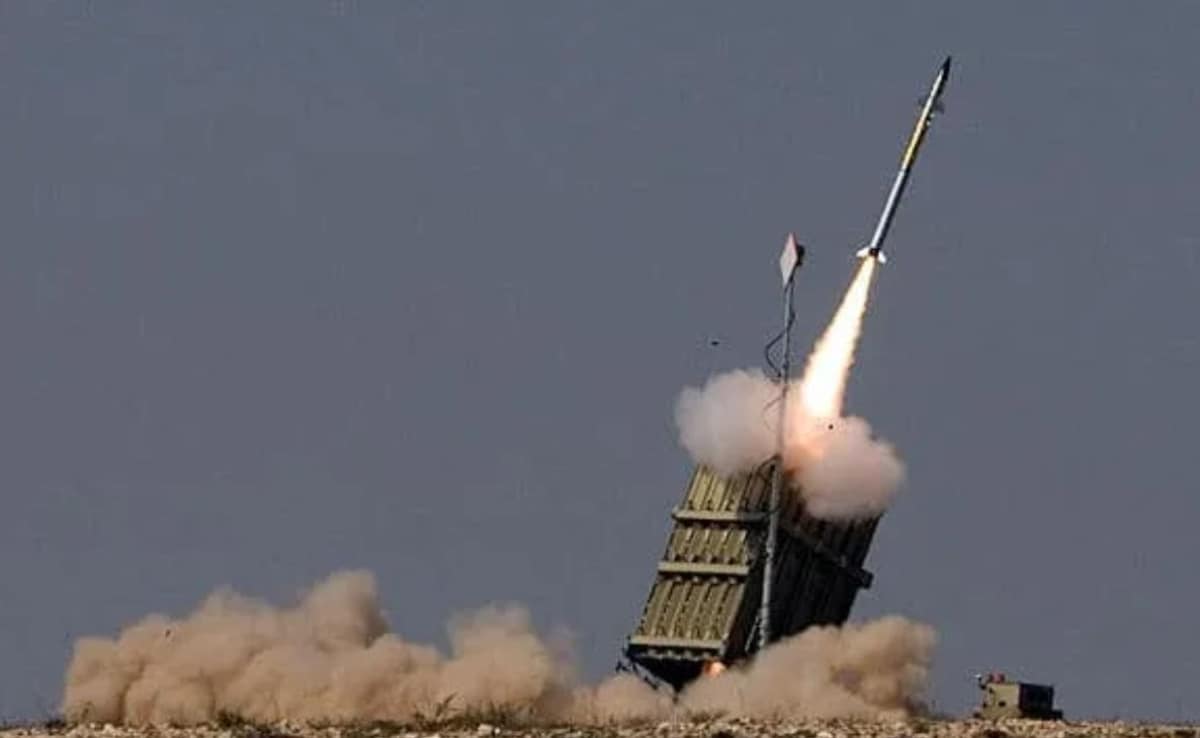
Israel is not party to the NPT, allowing nuclear weapons possession; Iran is bound by the treaty and legally prohibited. Israel is not party to the NPT, allowing nuclear weapons possession; Iran is bound by the treaty and legally prohibited.
Key takeaways
Quick scan — what you need to know:
- Israel is not party to the NPT, allowing nuclear weapons possession; Iran is bound by the treaty and legally prohibited.
- Source details are summarized from the linked wire or publisher feed.
Background
What led here, in plain terms:
- und by the treaty and legally prohibited. Israel is not party to the NPT, allowing nuclear weapons possession; Iran is bound by the treaty and legally prohibited. Israel is not party to the NPT, allowing nuclear…
- Full context often emerges as officials, markets, or courts add updates.
Why it matters
Why readers and decision-makers should care:
- Puts this headline in context for policy, business, and regional readers.
- Watch for follow-up data, statements, or votes that change the trajectory.