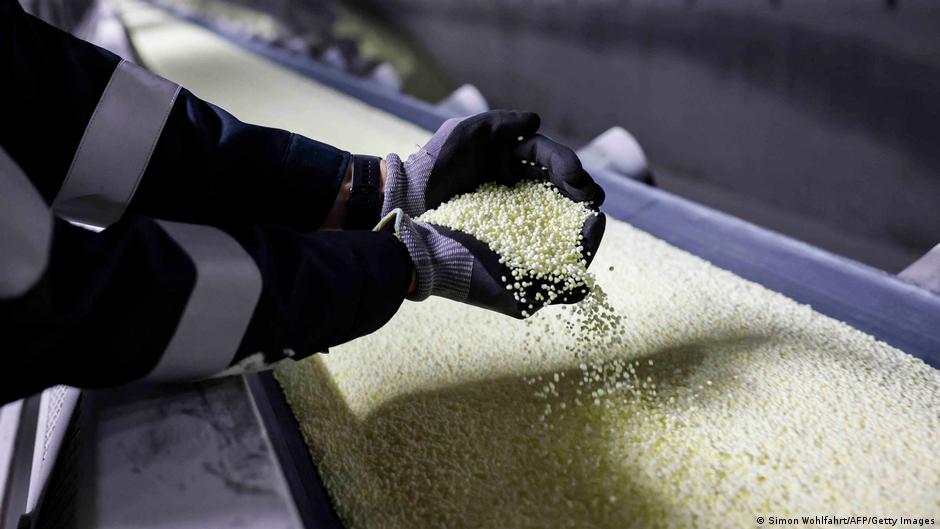
Along with spiking oil prices, Iran's de facto closure of the Strait of Hormuz is raising fertilizer costs by up to a third. Farmers are bracing for soil nutrient shortages that threaten lower harvests.
Key takeaways
Quick scan — what you need to know:
- Along with spiking oil prices, Iran's de facto closure of the Strait of Hormuz is raising fertilizer costs by up to a third.
- Farmers are bracing for soil nutrient shortages that threaten lower harvests.
Background
What led here, in plain terms:
- s. Along with spiking oil prices, Iran's de facto closure of the Strait of Hormuz is raising fertilizer costs by up to a third. Farmers are bracing for soil nutrient shortages that threaten lower harvests.
- Full context often emerges as officials, markets, or courts add updates.
Why it matters
Why readers and decision-makers should care:
- Along with spiking oil prices, Iran's de facto closure of the Strait of Hormuz is raising fertilizer costs by up to a third.
- Farmers are bracing for soil nutrient shortages that threaten lower harvests.