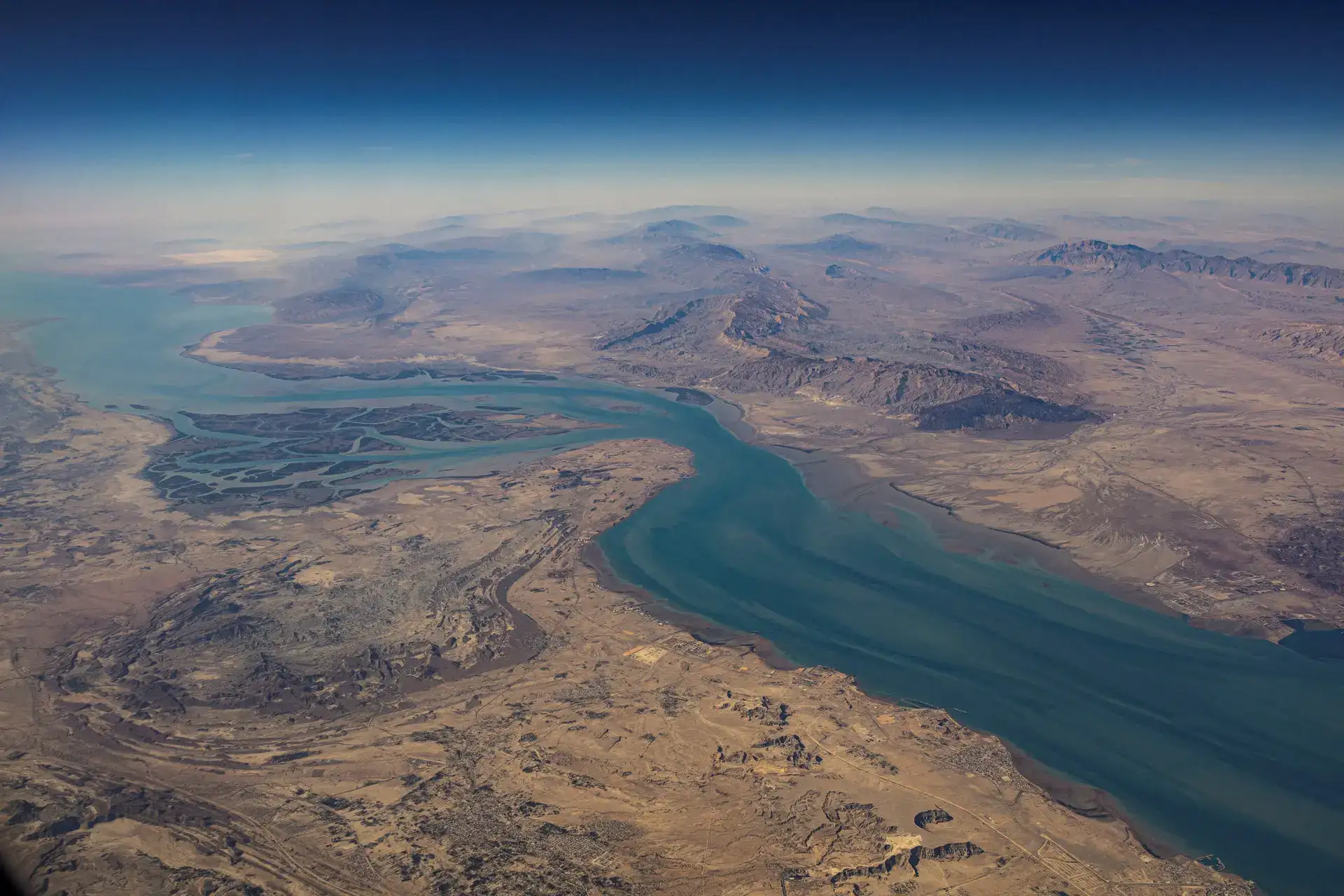
Despite sustained strikes by Israel and the US, Iran has gained strategic leverage by tightening control over the Strait of Hormuz, sharply reducing vessel traffic to about six ships a day from around 135 in normal times. Most tankers passing through now are Iranian or from friendly nations, often using Iran-approved routes after seeking permission.
Key takeaways
Quick scan — what you need to know:
- Despite sustained strikes by Israel and the US, Iran has gained strategic leverage by tightening control over the Strait of Hormuz, sharply reducing vessel traffic to about six ships a day from…
- Most tankers passing through now are Iranian or from friendly nations, often using Iran-approved routes after seeking permission.
Background
What led here, in plain terms:
- 135 in normal times. Most tankers passing through now are Iranian or from friendly nations, often using Iran-approved routes after seeking permission. Despite sustained strikes by Israel and the US, Iran has gained…
- Full context often emerges as officials, markets, or courts add updates.
Why it matters
Why readers and decision-makers should care:
- Despite sustained strikes by Israel and the US, Iran has gained strategic leverage by tightening control over the Strait of Hormuz, sharply reducing vessel traffic to about six ships a day from…
- Most tankers passing through now are Iranian or from friendly nations, often using Iran-approved routes after seeking permission.