A new book by historian Annette Gordon-Reed explores the former US president’s writings on race throughout his life
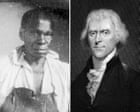
Thomas Jefferson’s interactions with enslaved people bookend his life. The third US president and a founder of the United States was born into a slave-owning family in a society upon which slavery was the bedrock. A Black woman was probably his earliest nursemaid – evidence shows that his mother did not breastfeed her children, so it is probable that a Black woman was also Jefferson’s wet nurse. His earliest memory, which he relayed to his grandchildren, was of being carried on a pillow via horseback by a man his family enslaved on a 50-mile journey to Tuckahoe, Virginia.
Given his status as an enslaver – Jefferson owned more than 610 people in his lifetime – those he held in bondage may have been the last people Jefferon saw before he died. An enslaved man, John Hemmings, built his casket. The omnipresence of slavery in his life and its clear contradictions with regards to his views on liberty, create a point of which much of the existing literature on Jefferson must attempt to make sense. Scholars have long tried to analyze and parse the juxtaposition of bondage and freedom for the former president. But in a new book by Annette Gordon-Reed, a Pulitzer prize-winning historian and a pre-eminent Jefferson scholar, Jefferson speaks for himself.
Continue reading...