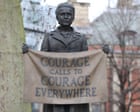
The ups and downs of the collection launched by Millicent Fawcett make it an apt symbol of an ongoing struggle
When the Women’s Library opened a century ago, the movement it documented appeared triumphant. Most British women had gained the vote in 1918, and in 1928 suffragist campaigners would ensure that they held it on the same basis as men. The London Society for Women’s Service, led by Millicent Fawcett, intended the library to become a home for the suffrage movement’s archives. But even as they continued their fight for the vote, they were looking beyond the ballot box to other issues. The library was to hold material relating to women’s work, too.
This year’s centenary is an opportunity to celebrate the institution’s unique holdings. It is also a reminder of a pivotal moment in women’s political history, as a new commemorative display at the London School of Economics (LSE), where the library is housed, shows. Among the organisations it features is the Six Point group headed by a former suffragette, Lady Rhondda. Equal pay for female teachers and equality in the civil service were two of its initial “six points” or aims. Such battles would continue long after the fight for equal suffrage had been won.
Continue reading...


