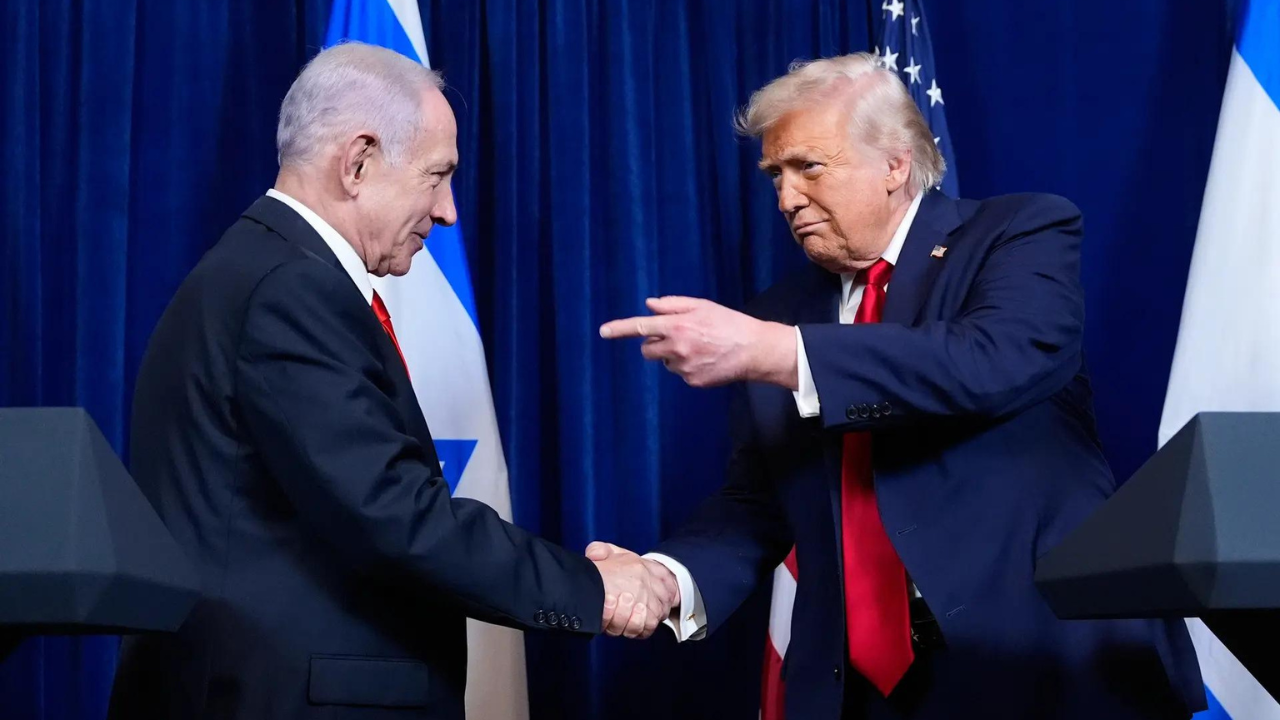
US president Trump reportedly rejected Israeli prime minister Netanyahu's proposal for a joint public call for Iranians to protest, fearing high civilian casualties. While Israel prioritizes fostering an uprising, the US views regime change as a secondary outcome.
Key takeaways
Quick scan — what you need to know:
- US president Trump reportedly rejected Israeli prime minister Netanyahu's proposal for a joint public call for Iranians to protest, fearing high civilian casualties.
- While Israel prioritizes fostering an uprising, the US views regime change as a secondary outcome.
- This divergence emerged after Israeli strikes targeting key Iranian security figures, aimed at creating conditions for popular dissent.
Background
What led here, in plain terms:
- While Israel prioritizes fostering an uprising, the US views regime change as a secondary outcome.
- This divergence emerged after Israeli strikes targeting key Iranian security figures, aimed at creating conditions for popular dissent.
Why it matters
Why readers and decision-makers should care:
- This divergence emerged after Israeli strikes targeting key Iranian security figures, aimed at creating conditions for popular dissent.
- US president Trump reportedly rejected Israeli prime minister Netanyahu's proposal for a joint public call for Iranians to protest, fearing high civilian casualties.
- While Israel prioritizes fostering an uprising, the US views regime change as a secondary outcome.